

Share
Published 12:41 12 Oct 2023 BST
Updated 15:09 12 Oct 2023 BST
 Poolbeg Power Station from Irishtown Nature Reserve, Ringsend, via Getty[/caption]
The findings from BWTF read:
Poolbeg Power Station from Irishtown Nature Reserve, Ringsend, via Getty[/caption]
The findings from BWTF read:
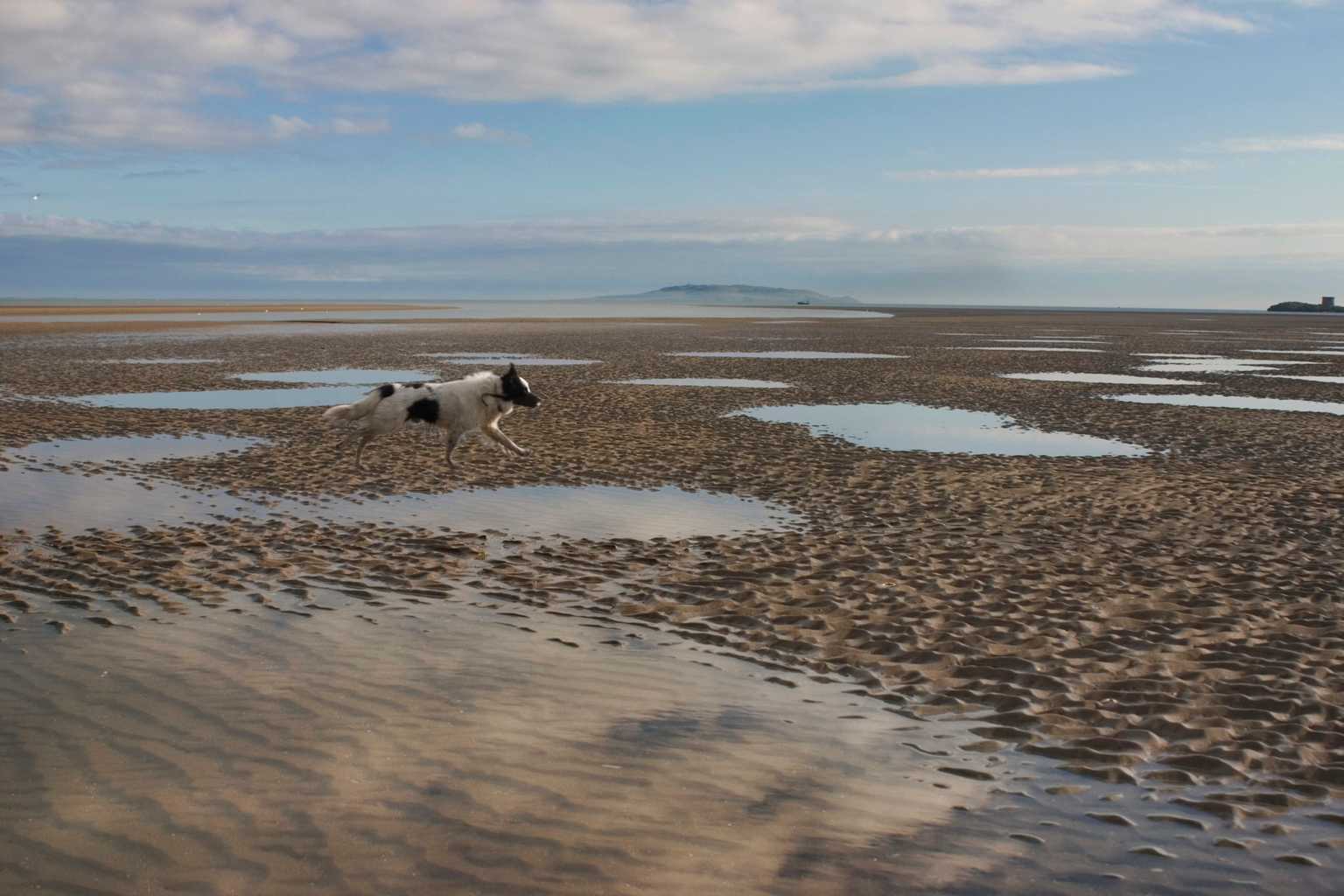
"When we undertake microbial source tracking of those water samples, we have learned that approximately 50% of these ‘poor’ results are due to faecal matter from canines being in the water, approximately 25% are attributable to human faecal matter and approx. 20% recorded as being from gulls, (remaining 5% undetermined). "Gull/bird faecal matter is a pollutant source which is the most difficult to remediate (Dublin Bay is a protected bird sanctuary), however a consideration is that gulls tend to gather in Dublin Bay at locations where water based activities (sea swimming) are least evident, e.g. Merrion Strand".The report warned that dog and bird dirt on beaches can "significantly impact water quality", advising that one dog poo has the potential to contaminate "a volume of water the size of a tennis court". It also emphasised that dog poo should be picked up by the owner to avoid contamination. In a statement, Dublin City Council said:
The full report is available to read right here. Header image via Getty READ NEXT: - Dublin 2 takeaway issued a closure order last month via the HSE - The Saw Doctors adjust Saturday gig time to facilitate Irish rugby fans - Christmas lights spotted going up in Dublin yesterday despite 20°C+ temperatures"While most dog owners are responsible, (approx. 90%), the impact of the uncollected dog stools has significant negative impacts for water quality. Put in context, approximately 30 dog stools were left on the Sandymount beach each day during the bathing season last. Our beaches are a very important public amenity and we need the public to be aware of the consequences of not ‘picking up’ after our dogs on our beach when out walking. Addressing this behavioural challenge can theoretically be achieved quickly and with minor cost versus the larger drainage infrastructural considerations".